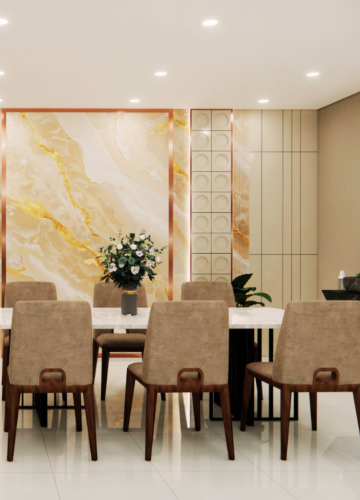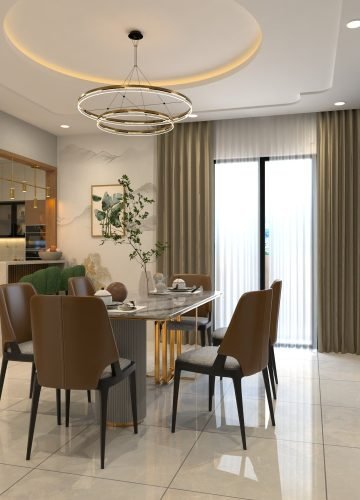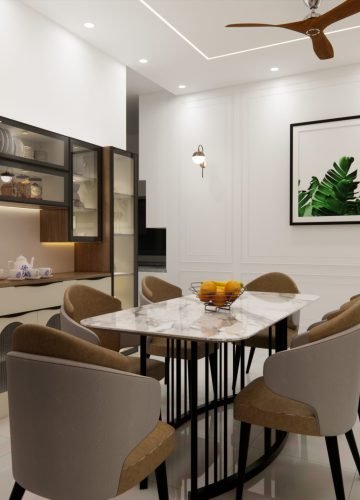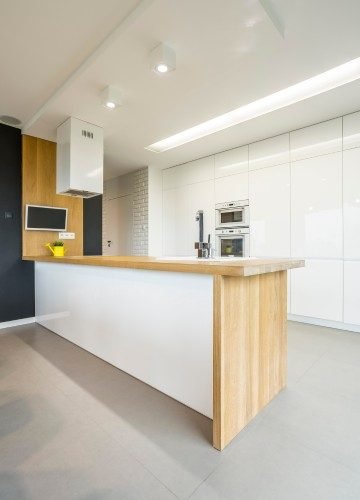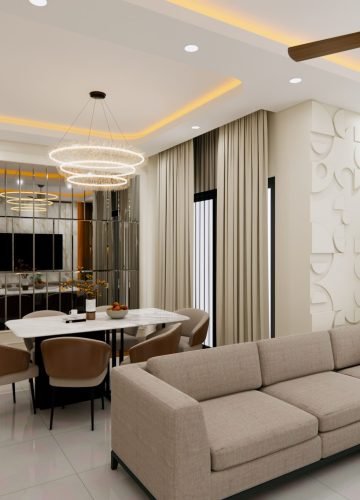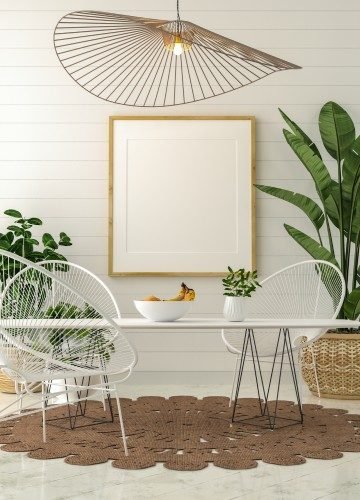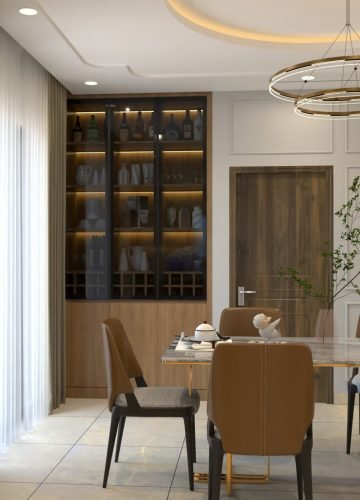
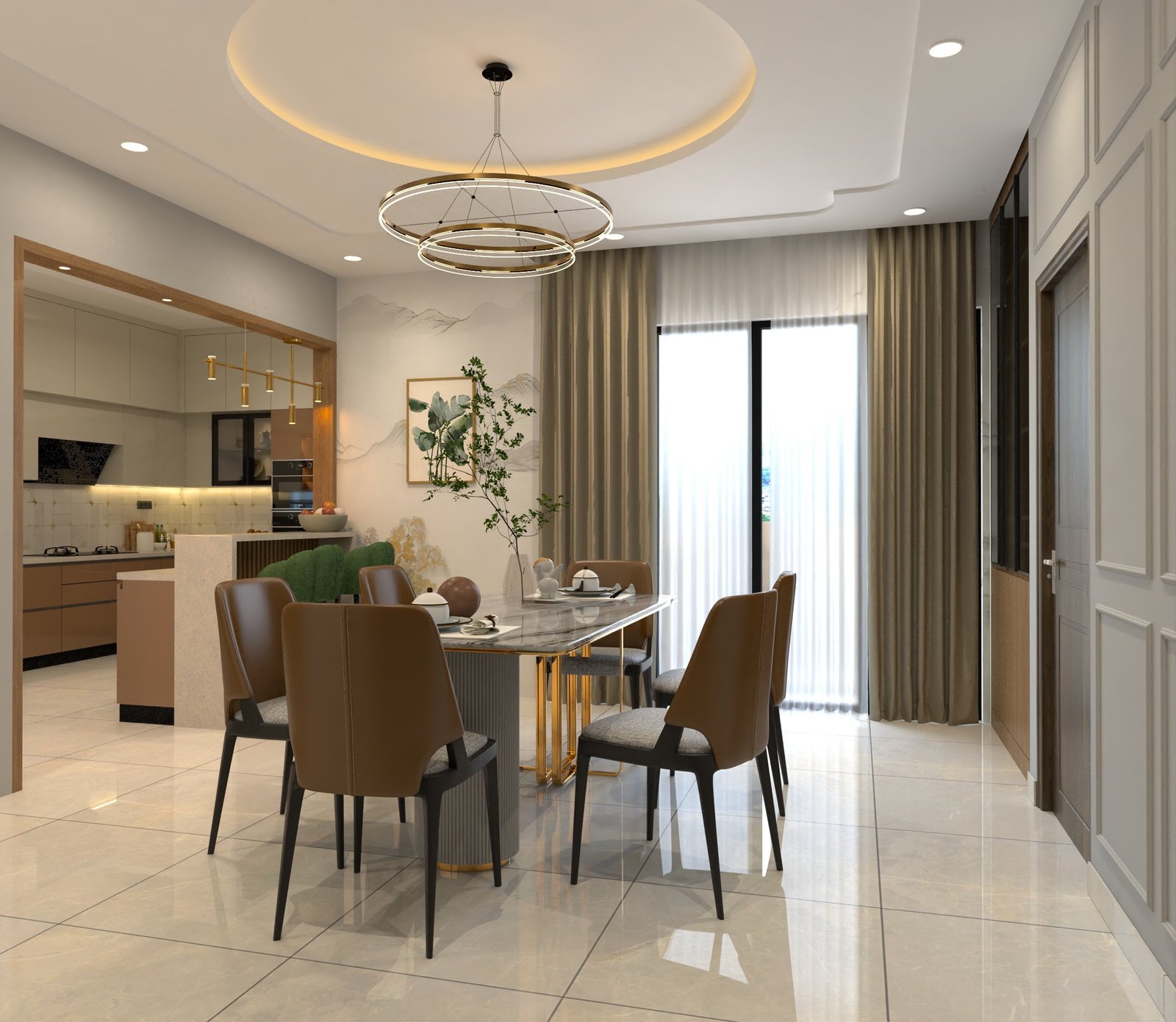
Successful dining space designs begin with intelligent interior design planning. Space measurement, furniture alignment, and lighting placement must be carefully coordinated to achieve both beauty and functionality.
A structured interior design process includes: Proper circulation space around the dining table Balanced positioning of chairs and cabinets Visual alignment with adjacent rooms Comfortable movement pathways Seamless integration of décor elements
This level of planning ensures that dining space designs are not only attractive but also practical for everyday use. Best interior design eliminates clutter and creates a sense of openness, even in compact homes.
Strategic interior design planning also considers long-term usability, durability of materials, and maintenance convenience
Furniture selection significantly influences dining space designs. The right table design, chair style, and finish elevate the overall interior design appeal of your home.
Wooden dining sets bring warmth to contemporary interior design themes, while marble or glass surfaces introduce modern elegance. Upholstered seating enhances comfort, and minimalist furniture styles maintain spatial clarity in compact dining areas.
Material harmony is equally important. Coordinating flooring, wall textures, and ceiling details strengthens the interior design language of the dining area.
Popular choices include:
Natural wood finishes Neutral wall tones Stone or vitrified flooring Matte and glossy surface contrasts
These material combinations create balanced dining space designs that feel both modern and timeless.
Lighting transforms dining space interiors into inviting environments. Proper interior design integrates layered lighting to enhance mood and highlight architectural details.
Pendant lights positioned above the dining table create a focal point, while ceiling cove lighting adds depth and softness. Accent lighting can highlight feature walls or display units, strengthening the interior design aesthetics.
The right lighting setup:
Enhances colours and textures Creates warmth during evening gatherings Improves visual comfort Adds dimension to the space
Interior design is not only about structure but also about atmosphere. Well-designed lighting ensures that dining space designs remain functional during the day and elegant at night.